
The Glaucoma Division at Vision Care & Research Centre offers the latest in comprehensive glaucoma care, treatments and second opinion consultations to patients of all ages and for all forms of glaucoma, whether primary or related to complex eye problems.
The Glaucoma Division proposes to develop improvements in the diagnosis and therapy of glaucoma in 3 areas of focus: research, glaucoma care, and education. The vision for the Centre is dramatically to improve the outcome for those affected by glaucoma worldwide by development and implementation of diagnostic and therapeutic methods.
Glaucoma care in the developing world is limited and most patients are diagnosed only when the disease has led to severe vision loss. Identifying ways to integrate glaucoma care into the care of patients in these regions will be a key component of preventing glaucoma related blindness.
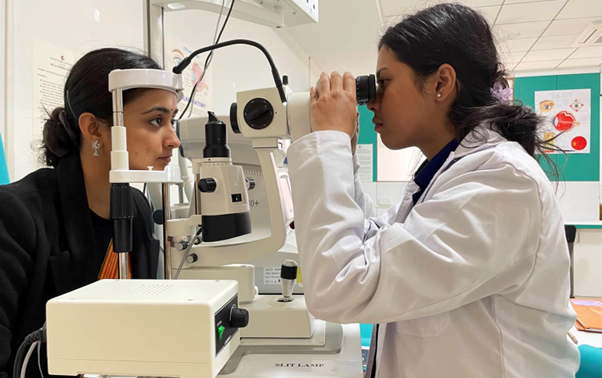
Glaucoma covers a group of eye conditions that damage the optic nerve as a result of abnormally high pressure in the eye. Glaucoma surgery involves either laser treatment or the microsurgical creation of a fistula to reduce the intraocular pressure.
The type of surgery recommended will depend on the type and severity of the glaucoma. Surgery can help lower pressure when medication alone is not sufficient. It does not, however, reverse visual loss.
Links: www.glaucoma.org
Laser surgery is performed as an outpatient procedure either before medication is started or when medication fails to achieve the desired control of eye pressure.
Laser surgery is used to modify the eye’s trabecular meshwork (the eye’s drainage system), which helps increase the flow of fluid out of the eye and reduce eye pressure. It has the advantage of being safe, effective and painless.
When medications and laser surgery do not sufficiently lower eye pressure, filtering microsurgery may be recommended. This involves creating a tiny drainage fistula in the eye. This opening allows the intraocular fluid to bypass the clogged drainage canals and flow through a newly created drainage canal, using either the eye’s natural tissues (trabeculectomy) or sometimes an implanted artificial drainage device. Glaucoma surgery requires admission to hospital as a day case procedure and may need to be repeated to achieve the desired result.
Following glaucoma surgery regular follow-ups and strict adherence to the post-operative drop routine is vital for success.
We have performed thousands of surgeries and continue to be at the forefront of laser vision correction. Vision Care & Research Centre developed some of the earliest lasers for vision care and pioneered laser removal of corneal scars and laser treatment for corneal diseases.
We continue to participate in clinical trials for approvals of new, advanced excimer laser software and technology and are committed to developing the next generation of laser vision correction procedures.
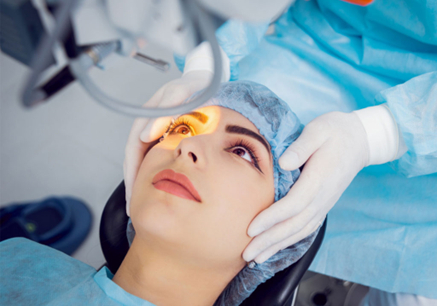
There are four components in laser vision correction:
The first step is to have an evaluation that can determine which of these procedures is the best for you.
Vision Care & Research Centre