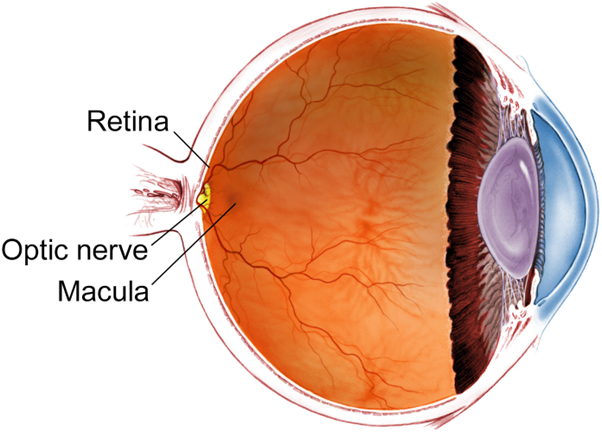
The Neuro-Ophthalmology division of the Vision Care & Research Centre specializes in treating patients with blurred vision caused by optic disorders, double vision caused by strokes and brain tumors, defects in the visual fields, and involuntary spasms of the face and eyelids.
We also participate in ground breaking research, working to apply new findings on neuro-ophthalmological to patient care solutions.
Conditions We Treat
Most neuro-ophthalmologic disorders require the interaction of the neuro-ophthalmologist with other physicians, particularly general neurologists, neurosurgeons and radiologists. The experts of the neuro-ophthalmology division at the Vision Care & Research Centre treat a variety of conditions including:
- Optic nerve disorders, such as optic neuritis, ischemic optic neuropathy,compressive optic neuropathies, Leber optic neuropathy
- Visual field defects related to stroke, brain tumorsor multiple sclerosis
- Double vision from ocular motor nerve palsies
- Myasthenia gravis
- Thyroid eye disease
- Orbital tumors
- Blepharospasm and other involuntary facial movements
- Pupillary abnormalities (e.g., anisocoria).
Ocular Immunology
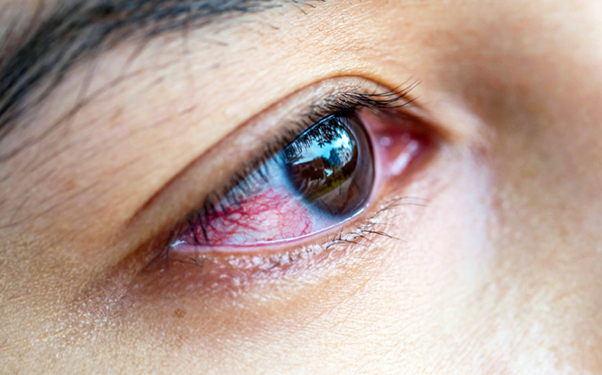
The division of ocular immunology at the Vision Care & Research Centre provides evaluation and management of immunologically mediated ocular diseases, such as uveitis, intraocular inflammation, scleritis and iritis.
Our clinical and research leaders offer highly specialized and advanced diagnostic and treatment options for patients with inflammatory eye diseases.
Conditions we Treat
Uveitis (Intraocular)
- Anterior
- Intermediate
- Pan
- Posterior
Surface
- Conjunctivitis
- Episcleritis
- Keratitis
- Scleritis
Orbital/Nerve
- Idiopathic Orbital Inflammatory Syndrome (Pseudotumor)
- Optic neuritis
- Optic neuropathy
Infection-Associated
- Herpes
- HIV/AIDS
- Tuberculosis
- West Nile
- Zika
Systemic Disease-Associated
- Juvenile Idiopathic Arthritis
- Mucous membrane pemphigoid
- Rheumatoid arthritis
Ocular Immunology Research
- Epidemiology of clinical treatments in ocular inflammatory diseases
- Looking at current practice patterns, clinical outcomes and complications with steroid implants for patients with non-infectious uveitis
- Focus on risk reduction and quality assurance initiatives in the care of patients with uveitis
- Focus on quality improvement in the care of patients with uveitis with a secondary concentration on identifying ocular side effects of oncologic immunotherapy agents
- Working with the MUST (Multicenter uveitis steroid treatment) trials and the Longitudinal Study of the Ocular Complication of AIDS