
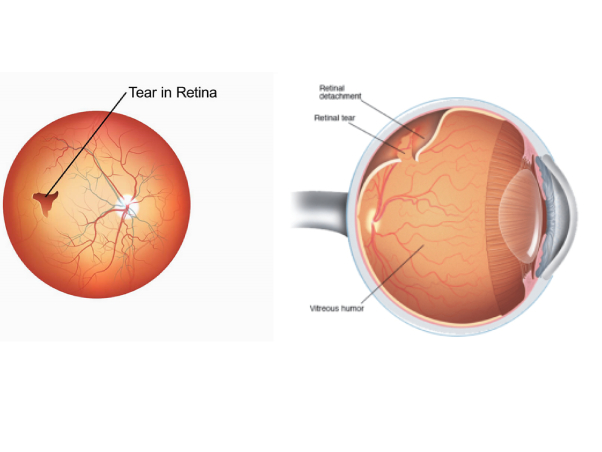
Our experts in the Retina Division treat retina-related disorders and conditions, such as macular degeneration, diabetic retinopathy, retinal detachment, vein occlusion and macularoedema.
The Retina Division provides expert clinical care of retina-related eye diseases and conditions including:
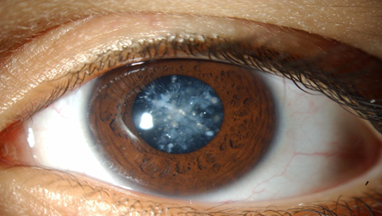
A cataract is a clouding of the natural lens of the eye. This clouding of the eye prevents light rays from entering the lens and focusing on the retina. The retina is a light-sensitive tissue lining of the eye and is located at the back of the eye. This cloudiness occurs when some of the proteins from the eye's lens start to alter their shape and obstruct the vision.
There are three basic techniques for cataract surgery
The cornea is the outermost clear, transparent integral layer located in the front of the iris and pupil. It is responsible for the involuntary eyelids reflex and helps to focus the light on the retina. Any change in the cornea layer consistency causes altered vision. With a decrease in transparency of this layer, blurred vision can occur.
Treatments might include medications, laser treatment, or surgery, depending on the condition. Infections are treated with medicated eyedrops (antibiotics, antivirals, and antiparasitics) and, in some cases, oral medication. Herpetic stromal keratitis is a recurring swelling that develops after a herpes eye infection and is managed with anti-inflammatory steroid eye drops.
An abrasion might require temporary patching or a bandage contact lens, depending on the cause and extent of the injury.
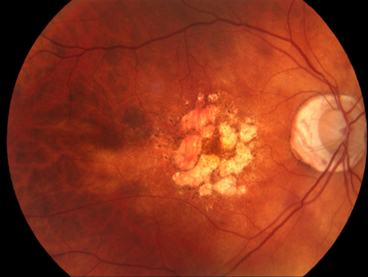
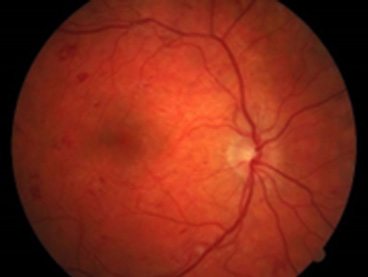
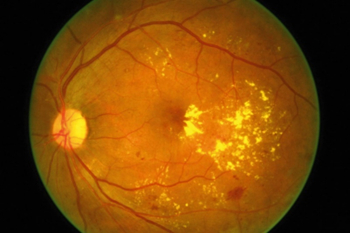
Diabetic Retinopathy (DR) is the leading cause of vision deterioration and blindness across the globe. It is a complication of diabetes affecting the eyes. Among the almost 300 million people who have diabetes, about one-third of them develop Diabetic Retinopathy (DR). Read on to find out what diabetic retinopathy is, its risks and symptoms, whether it is reversible, and how to live with this disease.
As a common disease afflicting both young and old, diabetes has important implications for the eyes. Fluctuations in blood sugar can cause changes in the focusing of the crystalline lens within the eye and may cause temporary visual blurring, particularly if diabetic control is poor. Diabetes can also cause cataracts in young people, or accelerate the development of cataracts in older people.
Diabetic retinopathy is when the small blood vessels at the back of the eye start to leak or become blocked, and if it’s not detected early, it can cause blindness. Tight control of diabetes can reduce the risk of retinopathy by 60% in type I (insulin-dependent) and 40% in type II (non-insulin dependent) diabetes, and will also reduce the risk of other diabetic complications. When people first develop diabetic retinopathy they exhibit no symptoms, but, if diagnosed at this early stage, it is a treatable condition, which is why it’s important for diabetics to have regular eye tests.
People with diabetes should have an eye examination at diagnosis and thereafter, on a yearly basis by their ophthalmologist.
Laser photocoagulation uses the heat from a laser to seal or destroy abnormal, leaking blood vessels in the retina. The ophthalmologist may make hundreds of laser burns on the retina to stop the blood vessels from growing. Patients may need two or more treatment sessions, which are done as an outpatient procedure.
Diabetics can have leakage at the macular, the central part of one’s eyesight, which usually presents with blurred vision. The ophthalmologist can detect this clinically, by using an optical coherence tomography (OCT) scan of the macular. If the leakage is too close to the central vision, laser is not suitable and the ophthalmologist may suggest an injection of anti-VEGF (protein inhibitors like Avastin or Lucentis for vascular endothelial growth factor) or cortisone into the eye.
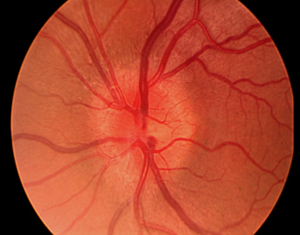
Optic neuritis occurs when the optic nerve, the pathway that transmits visual information to the brain, becomes inflamed, destroying the myelin sheath that surrounds the nerve. Nerve damage that occurs in the section of the optic nerve located behind the eyeball, called retrobulbar neuritis, is most often associated with multiple sclerosis (MS). Optic nerve inflammation and swelling caused by intracranial pressure at the point where the nerve enters the eyeball is termed papillitis. Whilst optic neuritis is most commonly associated with MS, other causes include viral or fungal infections, encephalomyelitis, autoimmune diseases, or pressure on the nerve from tumours or vascular diseases. It is most common in women between the ages of 18 and 40. Optic neuritis usually affects only one eye and may recur several times over the course of years.
Symptoms of optic neuritis include one or more of the following:
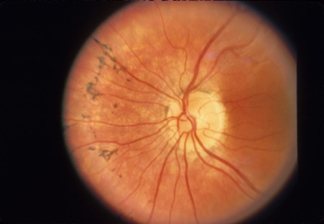
A group of eye problems that affect the retina, retinitis pigmentosa (RP) is a rare group of hereditary diseases that causes the photoreceptors in the retina to gradually degenerate. People with retinitis pigmentosa lose their vision slowly over time, as it changes how the retina responds to light, making it hard to see.
The type and speed of vision loss from retinitis pigmentosa varies from person to person – it depends on their form of the condition
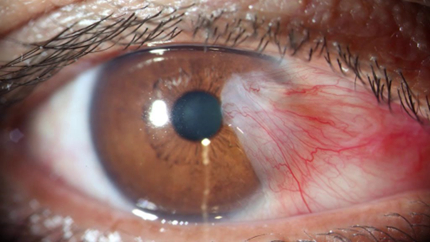
The term pterygium refers to a fleshy thickening of the conjunctiva which has grown onto the surface of the cornea. Commonly seen in people with high outdoor exposure to UV light, dust and wind, such as fishermen, surfers, and golfers, the treatment of a pterygium is to reduce its exposure to UV with sunglasses or a hat, and to use lubricant eye drops regularly. If the eye becomes inflamed, anti-inflammatory eye drops may be required. If the pterygium continues to grow and threatens vision, or becomes cosmetically unacceptable, it can be surgically removed. The autograft technique, in which conjunctival tissue is harvested from a healthy area and grafted into the defect left after removal of the pterygium, is most commonly used. The graft can be held in place by stitches or a tissue glue (TISSEEL).
Vision Care & Research Centre